Mushroom Grow Supplies — Cultivation Equipment & Packaging for Mycologists
The mushroom industry is one of the fastest-growing segments in the alternative wellness space — and Dragon Chewer is here for it. Our Mushroom Grow Supplies collection brings together the cultivation equipment, grow bags, packaging materials, and ancillary supplies that functional mushroom growers, mycology hobbyists, and commercial operators need — all in one place, at the same wholesale-first pricing philosophy that defines everything we do.
Whether you're a cannabis operator expanding into the functional mushroom space, a dedicated mycologist scaling up your cultivation operation, or a wellness brand packaging mushroom products for retail — Dragon Chewer's infrastructure and catalog are built to support you. We've been serving the cannabis industry's packaging and supply needs for years. The mushroom market is the natural next step, and we're bringing everything we know about compliant, professional, wholesale-priced supplies to this growing community.
Why Dragon Chewer for Mushroom Supplies?
Most mushroom supply vendors serve hobbyists. Dragon Chewer serves operators. That's a meaningful distinction — it shows up in pricing, in case quantities, in the breadth of selection, and in the emphasis on professional-grade materials over consumer-packaged DIY kits.
Here's what we bring to the mushroom cultivation market:
Wholesale pricing, not retail markup. The same pricing philosophy that makes us one of the most competitive cannabis packaging suppliers in the country applies here. We buy in volume, we sell in volume, and we pass the savings on to you. Whether you're a hobbyist buying your first case of grow bags or a commercial cultivator restocking at scale, our per-unit economics are designed to work for your operation.
Packaging expertise that crosses over. One of Dragon Chewer's real advantages in the mushroom space is that we already know packaging. Our mylar bags, glass jars, pop-top bottles, and container options aren't generic packaging — they're formats that have been proven in the demanding cannabis compliance environment, where odor containment, barrier performance, and professional presentation aren't optional. Those same qualities translate directly to mushroom product packaging for retail.
Free shipping on eligible orders. No tariffs, no surprise fees at checkout. What you see is what you pay — a standard we hold across every product category we carry.
A supplier that understands the market. The functional mushroom space and the cannabis space share more than a customer base — they share a culture, a regulatory awareness, and a community of operators who care about quality, transparency, and doing things right. Dragon Chewer lives in that overlap.
What's in the Mushroom Grow Supplies Collection
Our mushroom supplies catalog is designed around the real workflow of mushroom cultivation — from substrate and inoculation through colonization, fruiting, harvest, and final product packaging. Here's what you'll find:
Mushroom Grow Bags
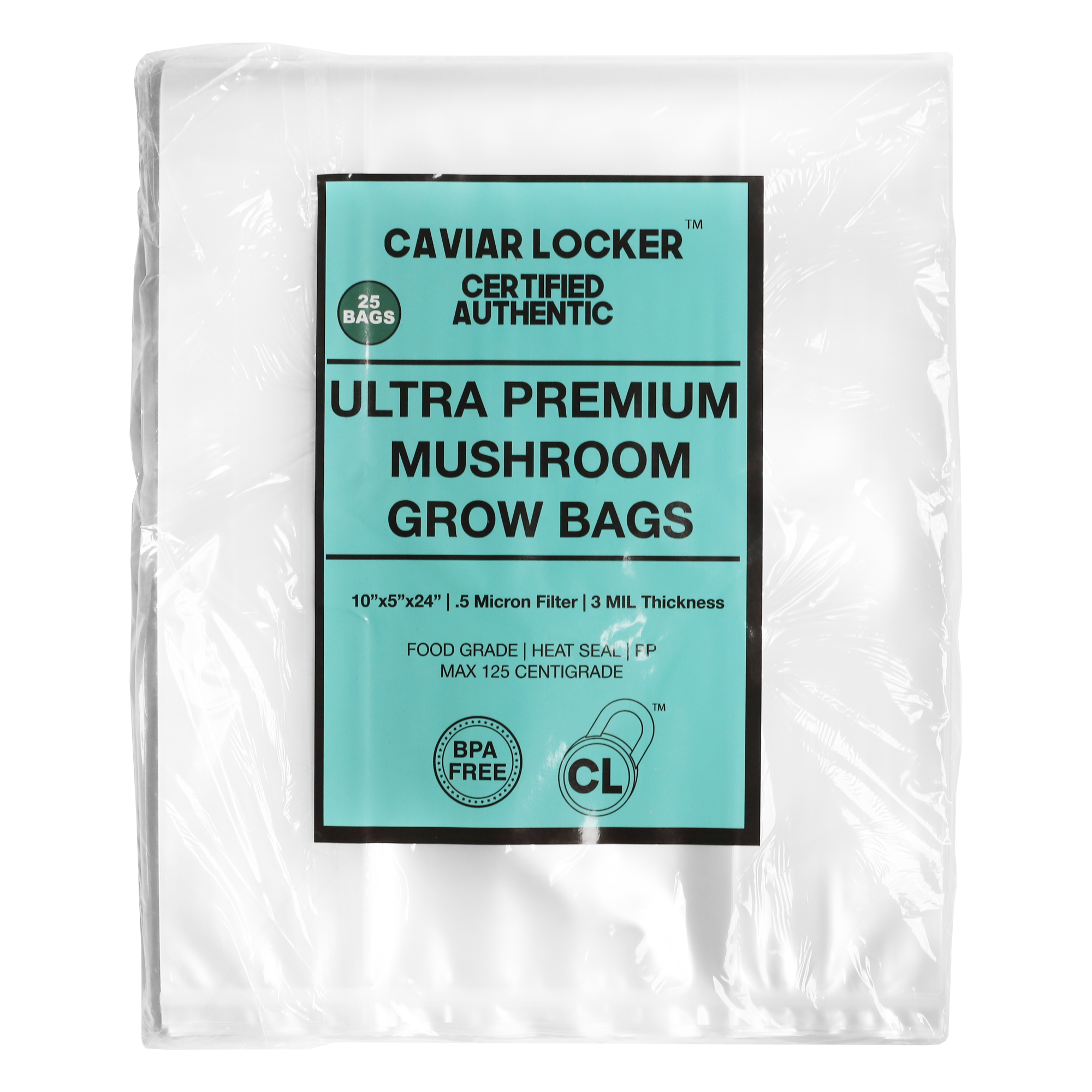
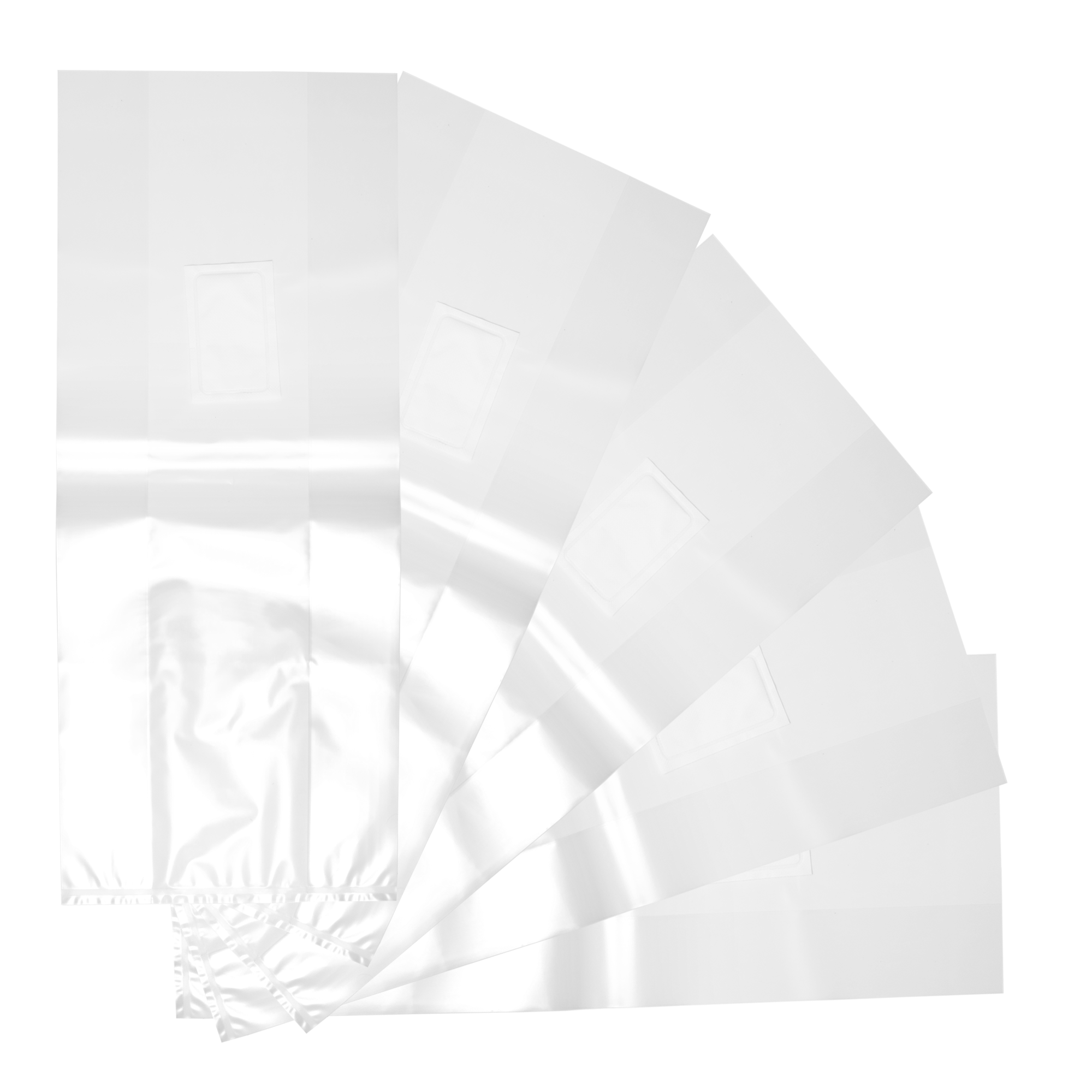
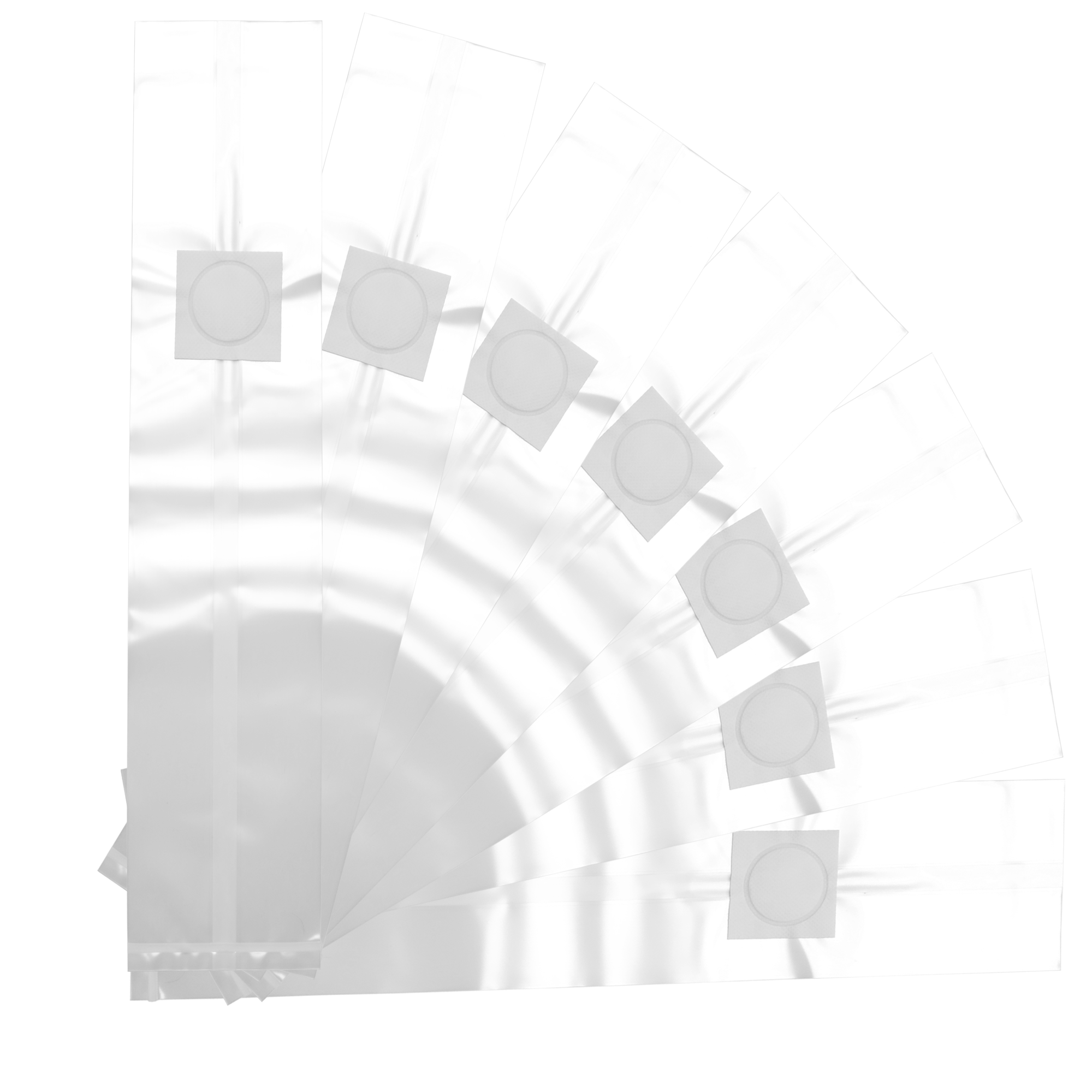
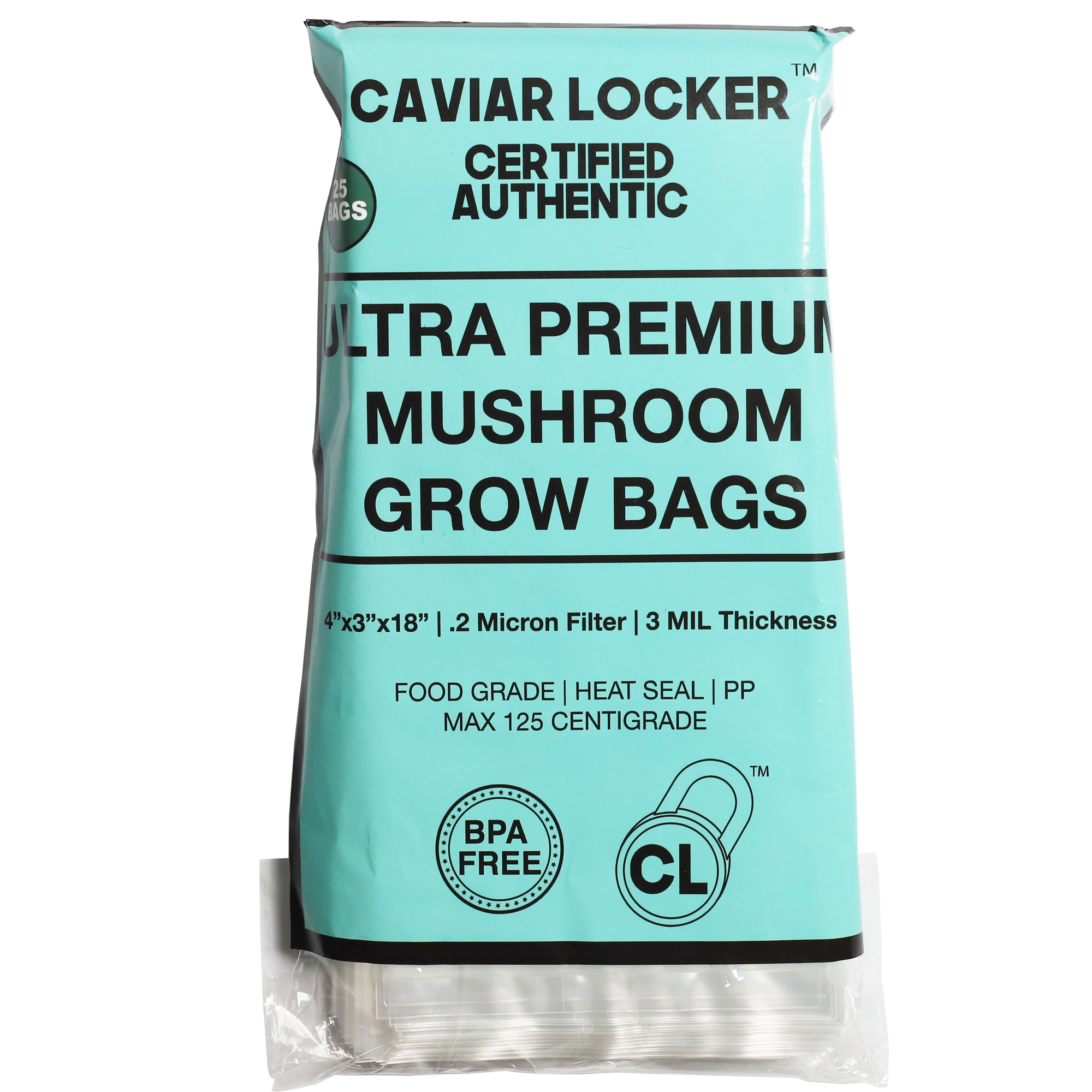
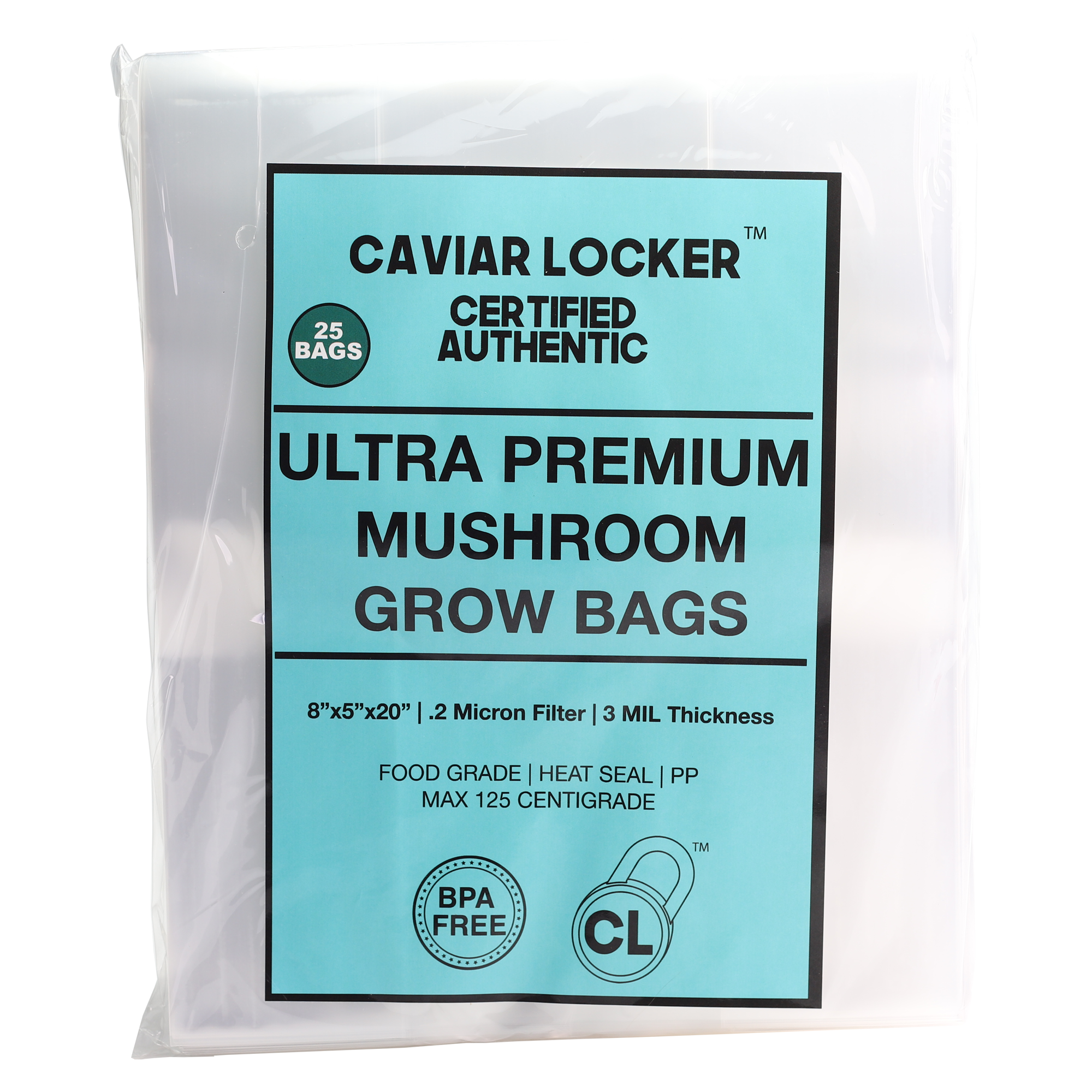
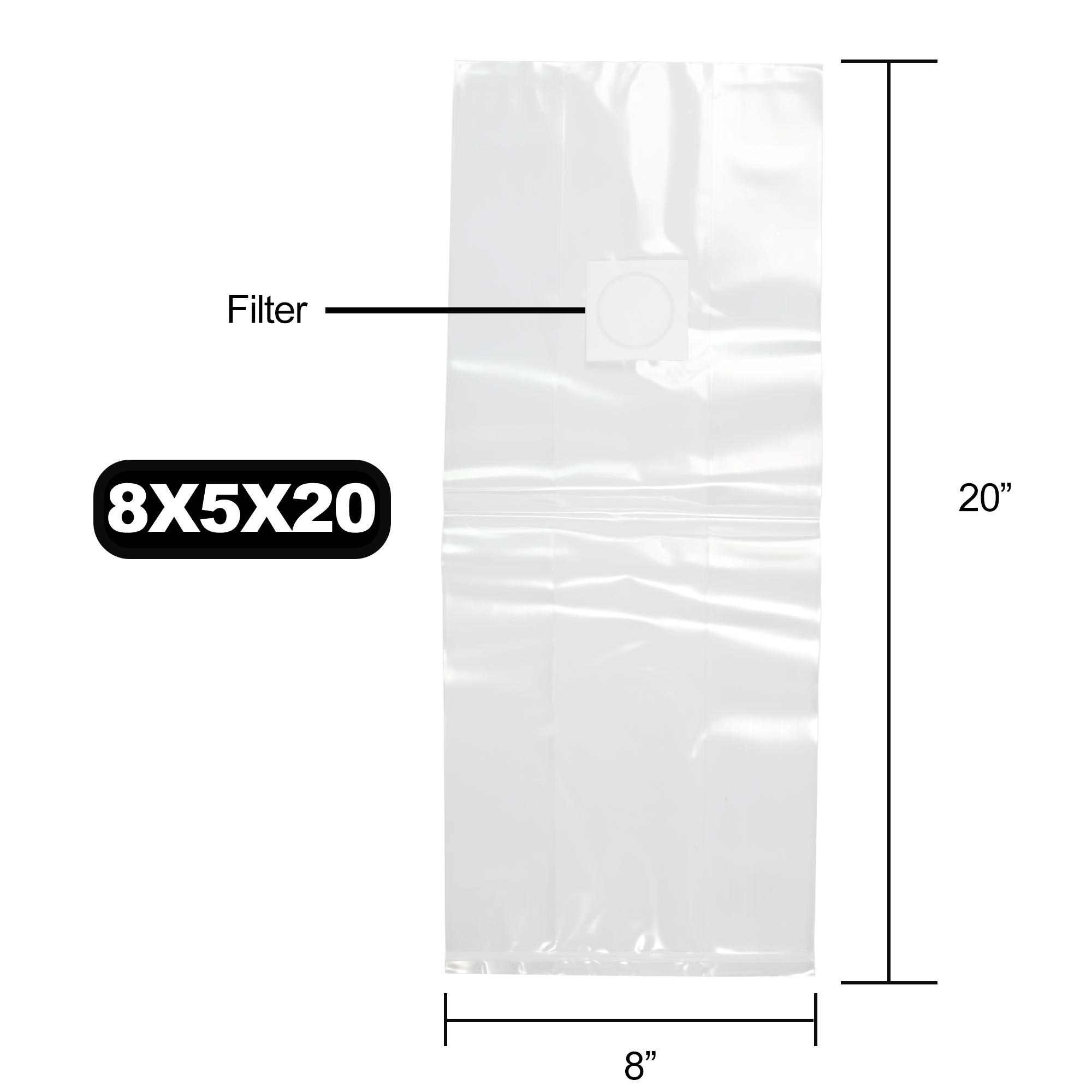
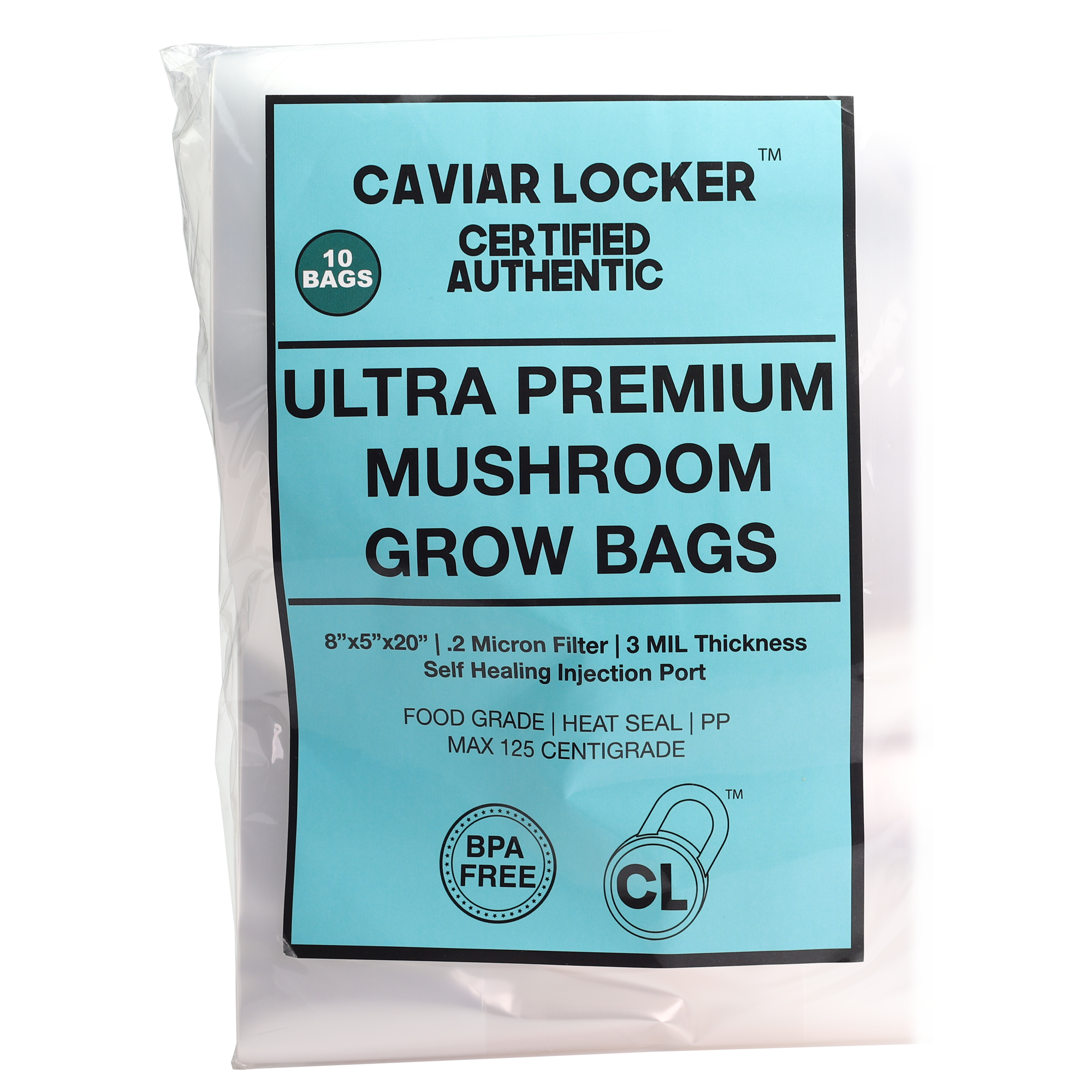
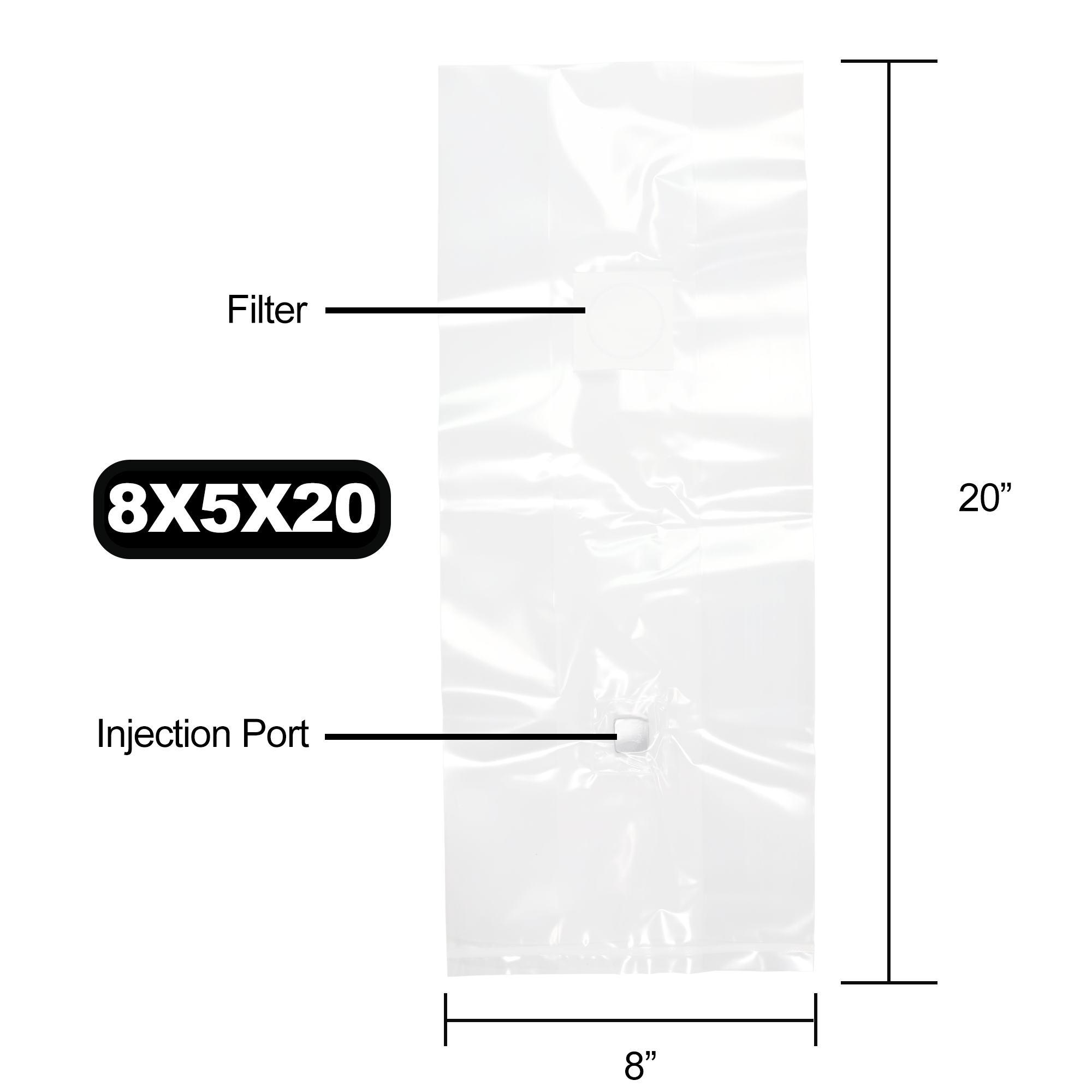
Grow bags are the workhorse of commercial and semi-commercial mushroom cultivation. A good mushroom grow bag provides a sterile, breathable environment for substrate colonization and fruiting while being durable enough to handle pressure cooking or autoclaving for sterilization.
Key features to look for in grow bags:
-
Filter patch — a microporous patch that allows gas exchange (CO₂ out, fresh air in) while preventing contamination from entering the bag. Essential for healthy mycelium colonization.
-
Autoclavable material — bags that can withstand pressure cooking at 15 PSI for substrate sterilization without melting, deforming, or losing their seal.
-
Appropriate thickness — thicker bags (4–6 mil) are more puncture-resistant during fruiting and handling; thinner bags work for lighter substrates and cost less per unit.
-
Self-healing injection ports — for liquid culture or spore inoculation without opening the bag, reducing contamination risk significantly.
Dragon Chewer's grow bag selection covers the range of sizes and configurations that mushroom cultivators actually use, at per-case pricing that makes sense for both hobbyist and commercial scale.
Substrate and Cultivation Supplies
Successful mushroom cultivation starts with the right substrate — the nutrient-rich growing medium that your chosen mushroom species will colonize and fruit from. Common substrate types include:
-
Brown rice flour and vermiculite (BRF/verm) — the classic beginner substrate for Psilocybe cubensis and other gourmet species in small formats
-
Hardwood sawdust and bran mixtures — the preferred substrate for oyster mushrooms, lion's mane, shiitake, and other gourmet wood-loving species
-
Straw — a cost-effective, widely available substrate for oyster mushrooms and high-yield commercial cultivation
-
Coco coir and vermiculite — popular casing layer material for humidity retention in fruiting chambers
-
Rye grain, wheat berries, oats — grain substrates for spawn production; colonize quickly and transfer easily to bulk substrate
Sterilization Equipment
Contamination is the enemy of successful mushroom cultivation. Maintaining a sterile workflow — from substrate preparation through inoculation — is the single most important factor in achieving consistent, high-yield results. Key sterilization equipment includes:
-
Pressure cookers — the home cultivator's sterilization workhorse. A quality pressure cooker at 15 PSI for 2.5–3 hours effectively sterilizes grain and supplemented hardwood substrates in grow bags or jars.
-
Autoclaves — for commercial-scale cultivation where pressure cooker volume is insufficient. Autoclaves provide consistent, programmable sterilization cycles at true 121°C/15 PSI for large batches.
-
Still air boxes (SAB) — a low-tech alternative to a flow hood for small-scale inoculation work. A clear plastic tote with arm holes creates a low-turbulence environment that dramatically reduces contamination during inoculation.
-
Laminar flow hoods — the gold standard for sterile inoculation environments. A HEPA-filtered flow hood provides a continuous stream of sterile air across your work surface, enabling high-volume inoculation with minimal contamination risk.
Incubation and Fruiting Chambers
Once inoculated, mushroom substrates need the right environmental conditions at each stage of their development:
Incubation — mycelium colonization requires warmth (species-dependent, typically 75–80°F for most gourmet varieties) and darkness. A dedicated incubation space with temperature control keeps colonization times consistent and reduces contamination windows.
Fruiting — initiating pinning and supporting productive fruiting bodies requires a shift in conditions: lower temperature, high relative humidity (85–95% RH), fresh air exchange (FAE), and indirect light. Fruiting chambers range from simple shotgun fruiting chambers (SGFC) built from plastic totes to automated Martha tent setups with ultrasonic humidifiers, fans, and controllers.
Key environmental parameters to control:
- Temperature: species-dependent, typically 65–75°F for fruiting
- Humidity: 85–95% RH during fruiting
- Fresh air exchange: 4–6x per day minimum to prevent CO₂ buildup
- Light: indirect, 12 hours on/12 hours off mimics natural conditions for most species
Harvesting Tools
Harvesting at the right time and with the right tools preserves mushroom quality and encourages subsequent flushes. Essentials include:
- Sharp, sterile harvesting knives or scissors for clean stem cuts
- Clean gloves and masks for contamination control during harvest
- Dehydrators for drying and preservation — extending shelf life from days to months
- Accurate scales for portion control and product consistency
Packaging Your Mushroom Products for Retail
For cultivators and brands moving mushroom products to retail — whether fresh, dried, as gummies, tinctures, capsules, or extracts — packaging is where Dragon Chewer's full catalog comes into play.
Our cannabis packaging experience translates directly to mushroom product packaging. The same barrier properties that keep cannabis fresh keep dried mushrooms potent and uncontaminated. The same child-resistant containers that protect cannabis in regulated markets protect mushroom supplements in retail environments where CR packaging is increasingly expected.
Here are the packaging formats from our broader catalog that mushroom product operators use most:
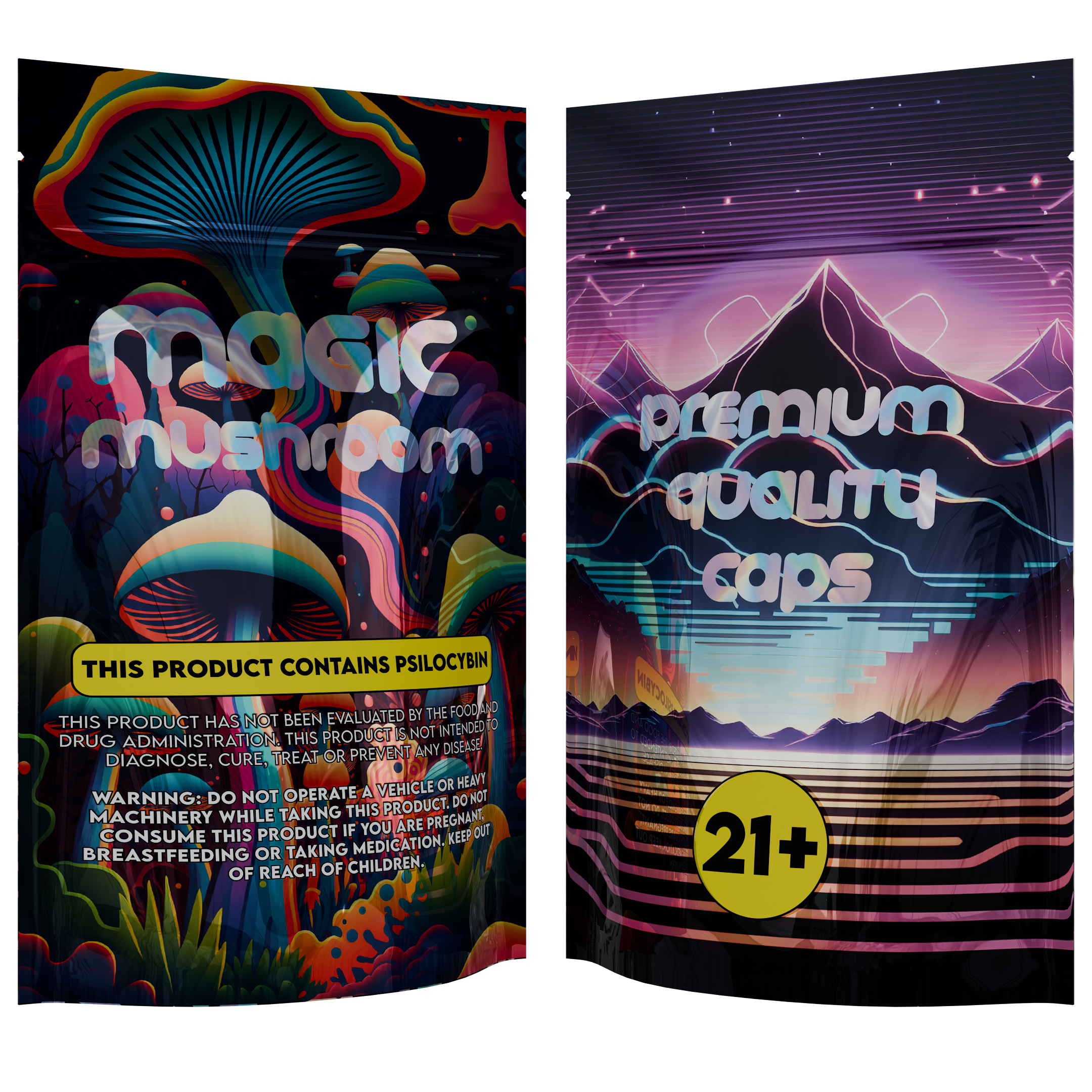
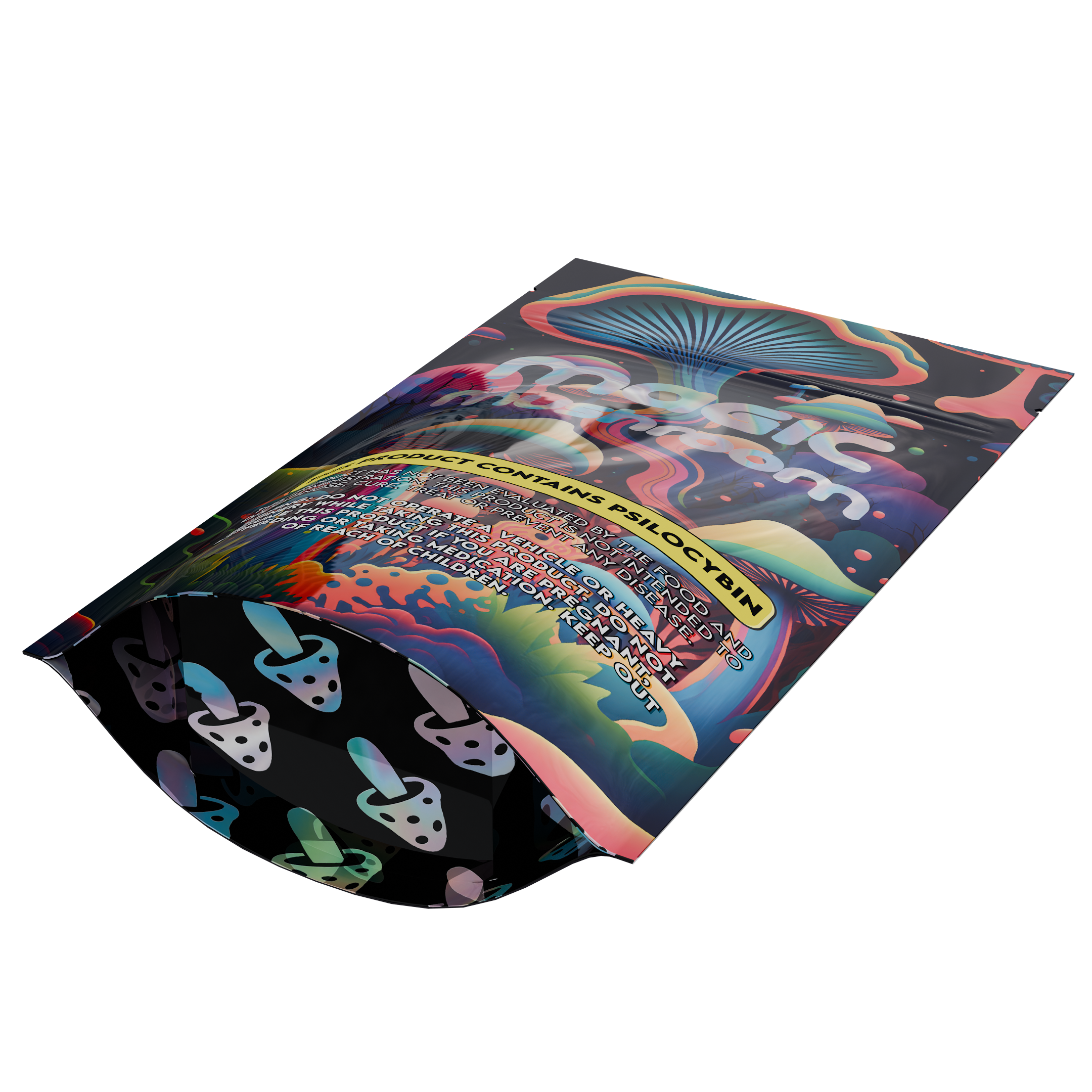
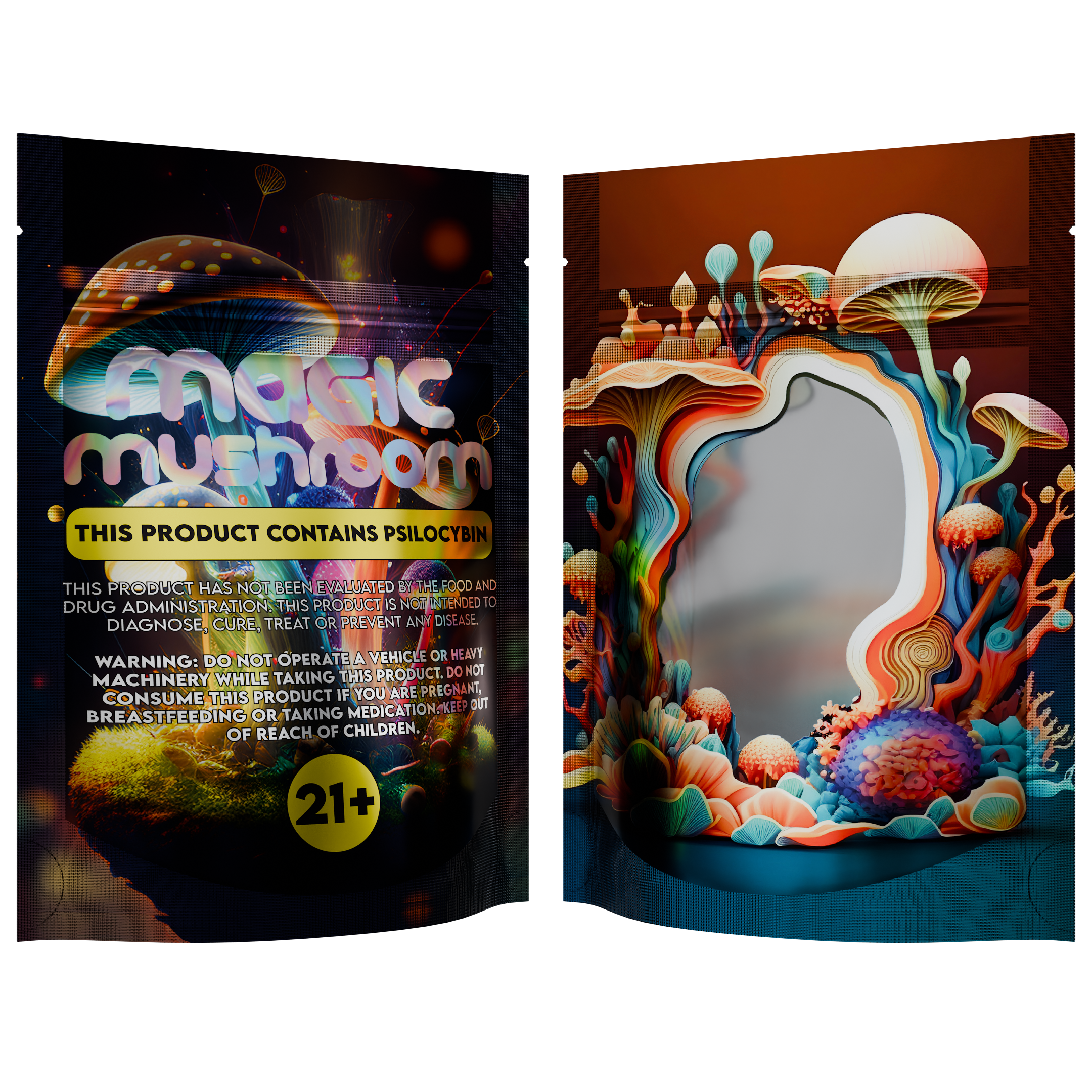
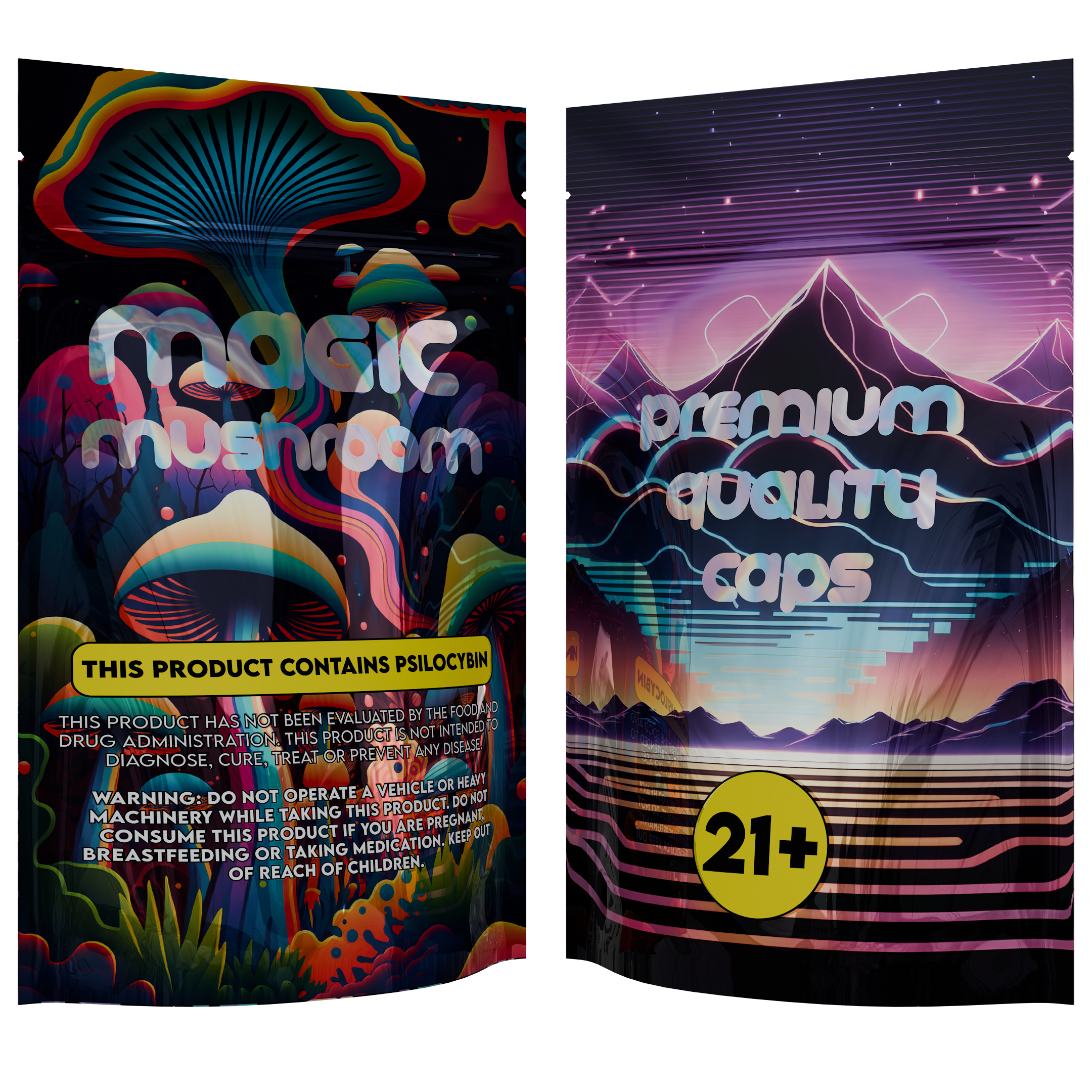
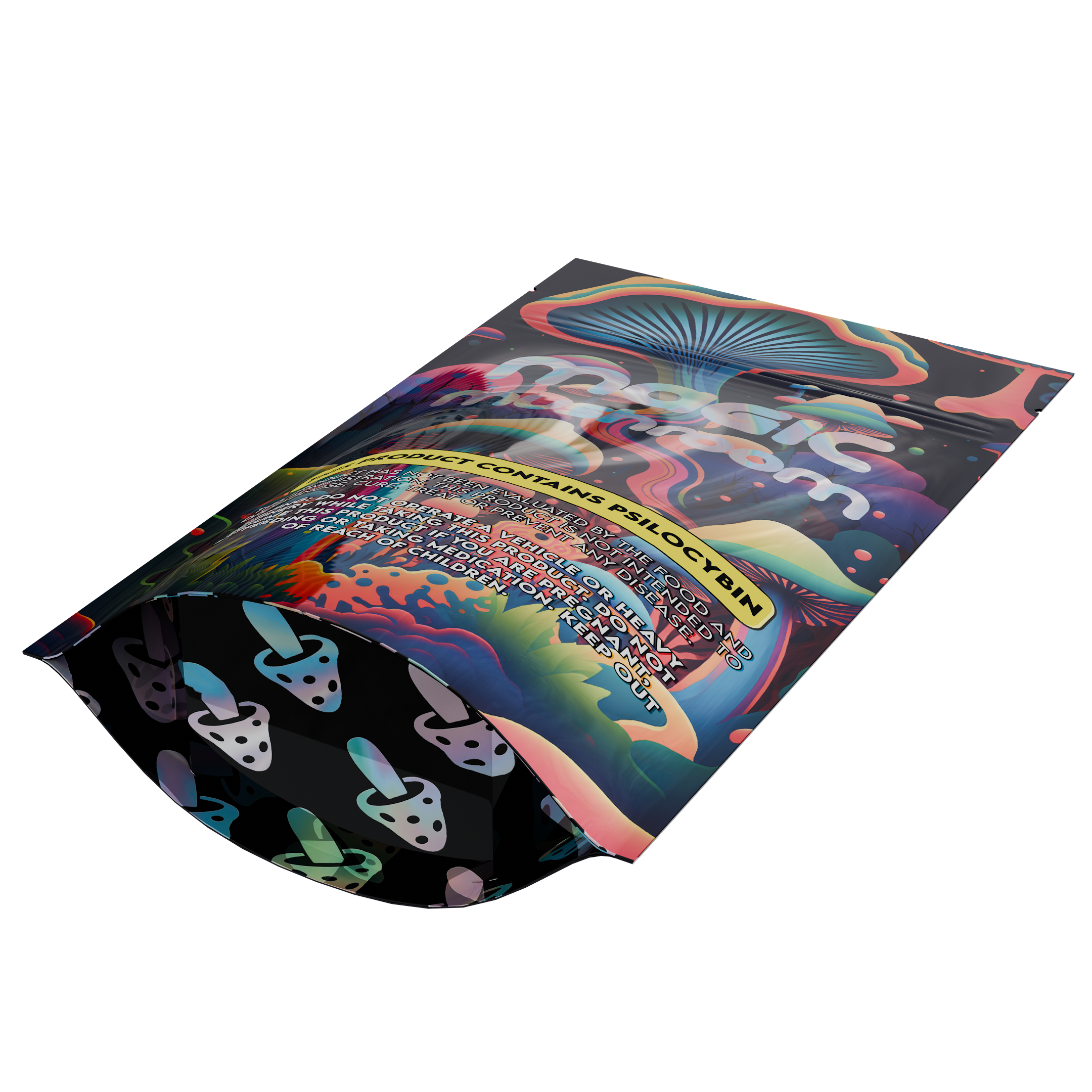
Mylar Barrier Bags — for dried mushroom flower, gummies, and loose products. Our multilayer mylar bags block oxygen, moisture, and UV light — the three main enemies of dried mushroom potency and shelf life. Available in sizes from 1 gram to 1 ounce with smell-proof barrier construction. Our holographic mushroom-design bags are purpose-designed for the functional mushroom market and give mushroom brands immediate shelf presence.
Glass Jars — for premium mushroom retail packaging. Our 5ml concentrate jars work for single-gram mushroom portions; our 2oz, 3oz, and 4oz child-resistant glass jars are ideal for larger dried mushroom quantities or capsule/powder packaging. Glass is non-reactive, provides excellent barrier performance for dried mushrooms, and signals premium quality to wellness consumers.
Pop-Top Bottles — for capsules, tablets, and small dried portions. Our child-resistant pop-top bottles in dram sizes from 6 dram through 160 dram provide the same professional presentation that supplement brands rely on. The smooth cylindrical surface takes wraparound labels cleanly, and the child-resistant pop-top mechanism is familiar to supplement consumers.
Glass Dropper Bottles — for mushroom tinctures and liquid extracts. Our 15ml and 30ml black and amber glass dropper bottles with child-resistant caps are the standard format for functional mushroom tincture products, lion's mane drops, and adaptogen extracts.
Custom Packaging — for mushroom brands building a premium retail identity. Custom-printed bags with your brand artwork, custom labels, or personalized containers bring a level of professional polish that sets established brands apart from commodity products.
Browse our full catalog at dragonchewer.com/collections/all or contact our sales team at sales@dragonchewer.com to discuss your specific mushroom packaging needs.
The Functional Mushroom Market — Why Now?
The functional mushroom space has moved from niche supplement store shelves into mainstream retail, coffee shops, sports nutrition, and mental wellness channels with remarkable speed. Products featuring lion's mane, reishi, chaga, cordyceps, turkey tail, and other adaptogenic species are now stocked at major retailers, sold through direct-to-consumer brands, and featured in media outlets from wellness blogs to mainstream news.
The drivers behind this growth are real and durable:
-
Consumer demand for natural wellness solutions — interest in non-pharmaceutical approaches to cognitive performance, immune support, stress management, and sleep has driven substantial growth in the adaptogen and functional mushroom categories
-
The nootropic wave — lion's mane's association with nerve growth factor (NGF) production and cognitive support has made it a staple of the nootropic community, with a rapidly expanding consumer base
-
Cross-pollination with cannabis — cannabis consumers are among the most receptive audiences for functional mushroom products, given their existing comfort with plant-based wellness, non-conventional supplements, and alternative retail channels
-
Regulatory tailwinds — several states have decriminalized or legalized psilocybin for therapeutic use, opening new markets and driving general consumer interest in the broader mushroom wellness category
For operators already in the cannabis space, the mushroom market represents a natural adjacent opportunity — similar supply chain, similar packaging needs, overlapping customer base, and a retail channel (dispensaries, wellness shops, online) that you may already be serving.
Frequently Asked Questions
Do I need a license to grow functional mushrooms?
For culinary and functional mushroom species (oyster, lion's mane, shiitake, reishi, cordyceps, etc.), no special license is required in most jurisdictions. These are legal food and supplement products. For psilocybin mushrooms, legal status varies significantly by state and locality — always verify your local regulations before cultivating. Dragon Chewer supplies cultivation equipment for legal mushroom cultivation.
What's the best grow bag size for oyster mushrooms?
Most commercial oyster mushroom operations use large-format grow bags (typically 4–8 lbs substrate capacity) for high-yield fruiting. Smaller bags (1–2 lbs) work well for hobbyist or small-batch cultivation. Check individual product pages for specific dimensions and capacity guidance.
Can I use your cannabis packaging for mushroom products?
Absolutely — many of our most popular packaging formats work equally well for mushroom products. Mylar bags, glass jars, pop-top bottles, and dropper bottles are all food-safe, non-reactive, and suitable for dried mushrooms, mushroom capsules, tinctures, and extracts. Browse our full catalog or email sales@dragonchewer.com for a recommendation based on your specific product.
Do you carry mushroom-specific mylar bags with artwork?
Yes — we carry designer-printed mylar bags with mushroom-themed artwork specifically designed for the functional mushroom market. These bags give mushroom brands immediate shelf presence without requiring a full custom print program. Find them by filtering the Mylar Bags collection by "Designer Printed."
Do you sell wholesale to commercial mushroom farms?
Yes. Dragon Chewer is a wholesale-first supplier. Commercial mushroom farms, functional mushroom brands, and large-scale cultivators can contact our sales team at sales@dragonchewer.com to discuss volume pricing, recurring order programs, and account-level support.
Dragon Chewer is a wholesale cannabis and mushroom packaging supplier. Browse the full catalog at dragonchewer.com or contact the sales team at sales@dragonchewer.com. Free shipping on eligible orders. No tariffs or additional fees.