
How to Package Gourmet Mushrooms for Retail: A Complete Guide
You grew a beautiful flush of oyster, shiitake, or lion's mane. Now you have to get it into a customer's hands without it turning to slime, dust, or mush. Packaging is where a lot of small mushroom farms lose money and shelf appeal. This guide covers what to use, what to avoid, and how to set up packaging for farmers markets and retail shelves.
Step One: Decide Fresh or Dried
Fresh and dried mushrooms are two different packaging problems. Mixing them up is the most common mistake we see.
- Fresh mushrooms are alive and still breathing. They give off moisture and need airflow. They sell fast and have a short shelf life, usually days, not weeks.
- Dried mushrooms are shelf-stable if you protect them from moisture, oxygen, and light. They can sit on a shelf for months and ship anywhere.
If you only sell at one farmers market and sell out each weekend, fresh may be all you need. If you want retail shelf placement, online sales, or a product that doesn't have to be sold within a few days, dried is the way to go. Many growers do both: fresh at the market, dried for everything left over and for online orders.
Packaging Fresh Gourmet Mushrooms
The rule is simple: don't seal fresh mushrooms in airtight plastic. Trapped moisture speeds up bacterial growth and gives you that slick, sticky surface customers hate.
What works for fresh:
- Paper bags or paper-based cartons that let moisture escape
- Vented or perforated containers
- Cool storage (a cooler with ice packs at the market, a fridge at home)
What doesn't work: tight plastic wrap, zip bags with no airflow, or leaving mushrooms in the sun at your stall. Keep them cool, keep them dry on the surface, and sell them quickly.
Fresh is a short-term game. For anything with a longer runway, you need a different approach.
Packaging Dried Mushrooms: Why Mylar Wins
Dried mushrooms have three enemies: moisture, oxygen, and light. Regular clear plastic bags let all three in over time. Your mushrooms lose color, aroma, and flavor, and if any moisture gets back in, you risk mold.
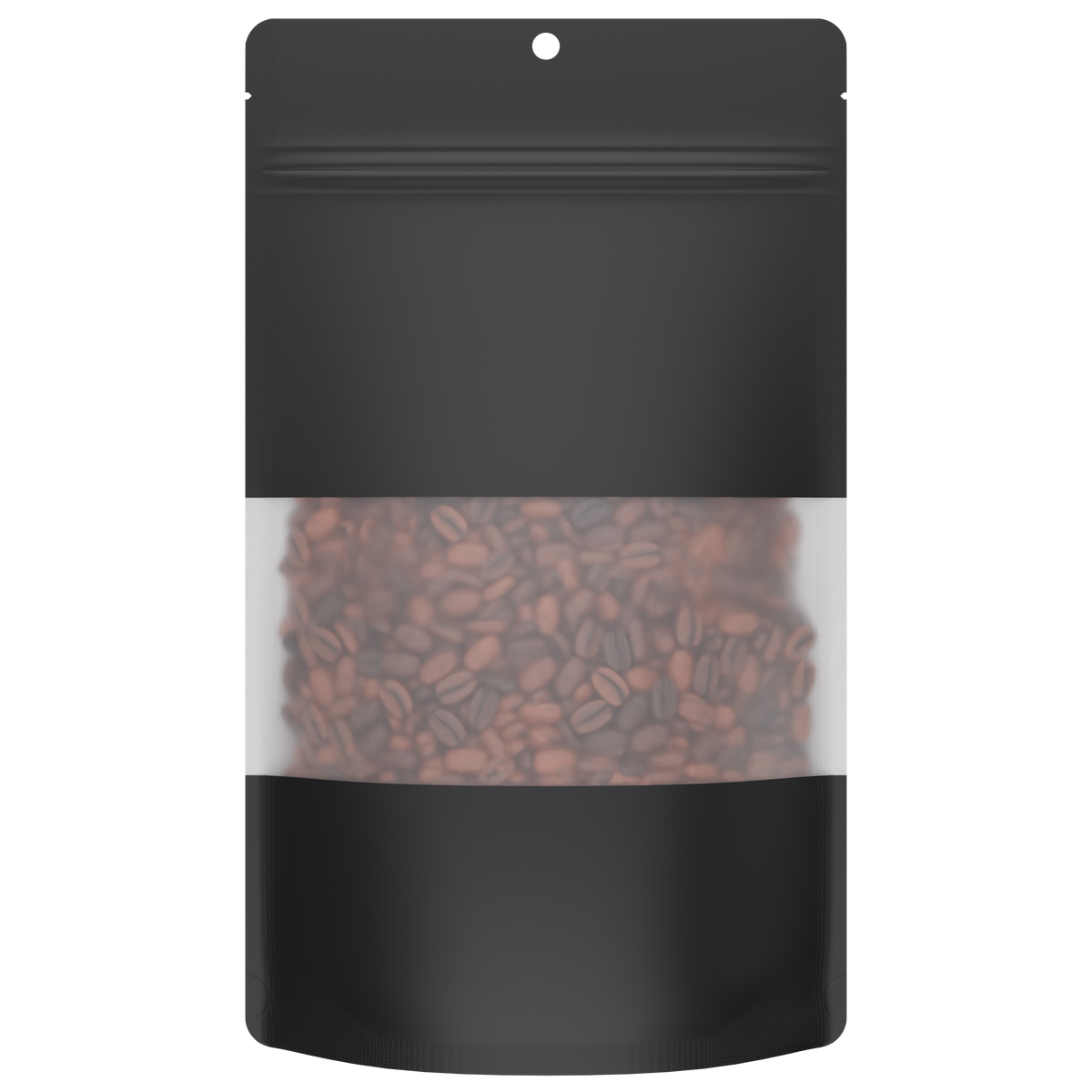
Mylar bags solve this. A mylar bag is a layered film bag that blocks light and acts as a strong barrier against oxygen and moisture. For dried oyster, shiitake, lion's mane, or a mushroom blend, that's exactly what you want.
Why growers pick mylar for dried mushrooms:
- Light protection. Light fades color and degrades flavor. An opaque bag stops it.
- Barrier protection. Less air and moisture getting in means a longer shelf life.
- Resealable options. Zip-top stand-up pouches let customers open and reseal the bag after use.
- Shelf presence. Stand-up pouches sit upright on a shelf or table and give you a clean front panel for your label.
- Low shipping weight. Pouches are light and flat, which keeps shipping costs down for online orders.
A few practical tips when filling mylar:
- Dry your mushrooms fully. Properly dried mushrooms should be brittle and snap, not bend. Sealing in anything damp is how you get mold.
- Let them cool before bagging. Warm product creates condensation inside a sealed bag.
- Consider an oxygen absorber or desiccant packet for longer shelf life, especially for bulk sizes.
- Leave a little headspace so you can heat-seal cleanly across the top.
- Handle delicate varieties gently. Dried lion's mane and some oyster varieties crumble easily. A slightly larger pouch prevents crushing.
Where Glass Jars Fit In
Glass jars are the premium option. They look great, feel high-end, and let customers see the product. They work well for:
- Gift sets and farmers market display
- Whole dried mushrooms where the shape and color are the selling point
- Mushroom powders and blends sold as a pantry item
- Repeat customers who reuse the jar
The tradeoff is that clear glass lets in light. If you use clear jars, tell customers to store them in a cupboard, or use amber or opaque jars. Glass is also heavier and more breakable to ship, so many growers use jars for in-person sales and mylar for online orders. That split works well and keeps your costs sensible.
Labels: What Goes on the Package
A good label does two jobs: it sells, and it keeps you out of trouble. At a minimum, most food labels include:
- Product name (for example, "Dried Blue Oyster Mushrooms")
- Net weight
- Ingredients, if it's a blend
- Your business name and location
- Storage instructions ("Store in a cool, dry place")
- Best-by or packed-on date
Beyond that, add what helps the customer: the variety, a short flavor note, a simple cooking tip, and a QR code to your website or recipes. Remember that labeling and cottage food rules vary by state, so check with your state department of agriculture or health department before you print a few thousand labels.
On design: keep it readable. A clean label with a clear product name beats a busy one. Put your brand name and the mushroom variety at the top, because that's what shoppers scan first.
Choosing the Right Size
Match bag size to what your customers actually buy.
- Small pouches suit sampler packs, premium varieties like lion's mane, and impulse buys at the market.
- Medium pouches are the everyday retail size for a household that cooks with mushrooms regularly.
- Larger pouches work for restaurants, bulk buyers, and refill customers.
Dried mushrooms are very light and take up a lot of volume, so a bag that looks big can hold a small weight. Test-fill a few sample sizes with your actual product before ordering in volume. That's why we offer a free sample pack: you can see and feel the bag with your own mushrooms in it before committing.
Farmers Market vs. Retail Shelf
At a farmers market, you're standing next to the customer. You can explain the product, offer a taste, and answer questions. Simple packaging with a clear label and a good display works. Jars on a table and mylar pouches in a basket both do well.
On a retail shelf, your package has to do the talking. It needs a strong front panel, a legible label, and a bag that stands up and survives being handled. Retail buyers also care about consistency, so keep your sizes, labels, and fill weights uniform from batch to batch.
Online, flat, lightweight pouches ship cheaply and survive transit better than glass.
Extending Shelf Life
Whatever package you pick, these habits matter more than the bag:
- Dry thoroughly and store finished product away from heat and humidity
- Seal consistently. Check your seals on every batch
- Label with a packed-on or best-by date and rotate stock
- Keep finished inventory in a cool, dark spot, not in a sunny window or hot garage
Why Buy Your Packaging from Dragon Chewer
We keep it straightforward:
- Ships from the USA. No waiting weeks on an overseas shipment.
- Free shipping. No surprise freight line at checkout.
- No tariffs. The price you see is the price you pay.
- Sample first. Request a sample pack and test the bags with your product before you place a bigger order.
Small farms don't have room for packaging surprises. Reliable supply and clear pricing make it easier to focus on growing.
Quick Checklist
- Pick your product format: fresh, dried, or both
- Fresh: breathable, cool, sold fast. Dried: mylar bags or jars
- Fully dry and cool product before sealing
- Choose sizes based on how your customers buy
- Design a clear, compliant label, and check your state's rules
- Test with samples before ordering in bulk
Ready to Package Your Mushrooms?
Browse our mylar bag collection or request a free sample pack and test the bags with your own mushrooms. USA shipping, free shipping, and no tariffs.